

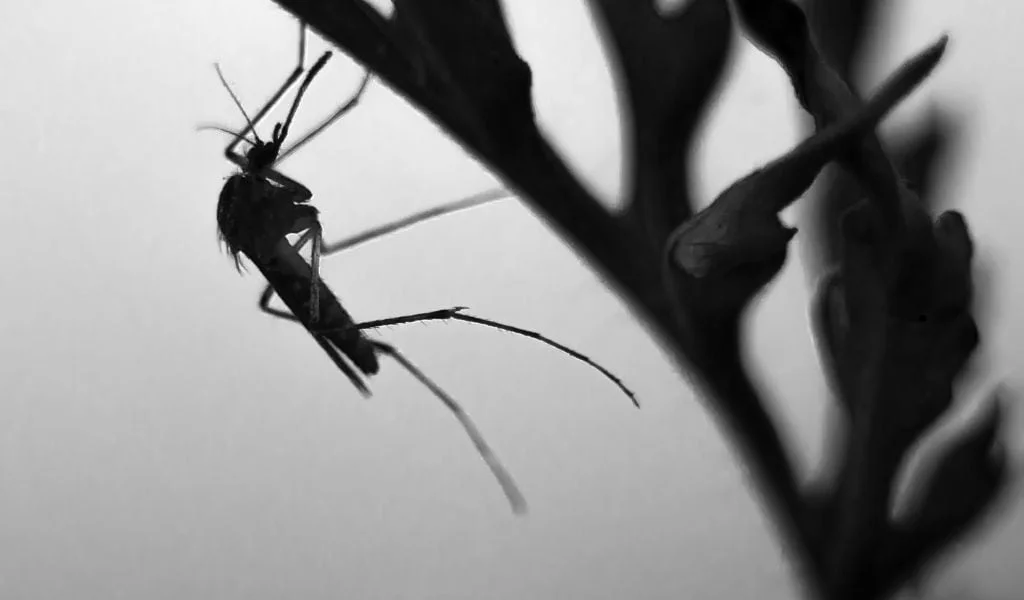
Many homeowners wonder, “Where do mosquitoes go in the winter?” The truth is mosquitoes don’t disappear. They survive cold weather in several ways depending on the species. Understanding how mosquitoes survive winter helps you prepare your property before mosquito season begins.
When temperatures drop and the nights grow longer, many homeowners breathe a sigh of relief, believing mosquito season is finally over. After all, mosquitoes thrive in the heat, so they must die off when it’s cold, right? Not exactly. While you may not see them buzzing around in December, mosquitoes don’t simply vanish when winter hits.
If you’re wondering, Where do mosquitoes go in the winter? they have developed clever survival tactics that allow them to outlast the cold months and return in full force once spring arrives. Understanding where mosquitoes go in the winter, how they survive, and why early prevention when it comes to mosquito treatments can help you stay ahead of the swarm.
We’re taking a closer look at how mosquitoes endure winter’s chill, why they seem to come back overnight, and what you can do to keep them from making your yard their next springtime home.
Key Takeaways
- Mosquitoes do not fully disappear in winter. Many species survive as dormant adult females or as cold-resistant eggs that can hatch later.
- During colder months, mosquitoes often shelter in protected spots like tree holes, garages, basements, clogged gutters, and leaf piles.
- When spring brings warmer temperatures and added moisture, eggs can hatch quickly, leading to sudden mosquito population spikes.
- Winter preparation reduces spring infestations by removing standing water, clearing debris, and keeping drainage areas clean.
- Professional mosquito control supports long-term protection through targeted treatments, property inspections, and ongoing prevention planning.
How Mosquitoes Survive Winter
So now that you know mosquitoes are capable of enduring freezing temperatures, you might be wondering, “How do mosquitoes survive in the winter?” Their survival is thanks to specialized adaptations and strategies that vary by species. Most mosquitoes fall into two groups: those that hibernate and those that rely on hardy eggs to carry their lineage through the winter months.
Female mosquitoes of certain species, such as the Culex pipiens (common house mosquito), survive winter through a state of dormancy called diapause. As temperatures drop, these females seek out protected environments, such as hollow tree trunks, basements, attics, sheds, or even garages, where they can rest safely until spring.
In these secluded spots, they slow their metabolism and essentially pause until warmer days return. Once temperatures climb back above 50°F, they reawaken, hungry and ready to feed and reproduce.
Other species, like Aedes aegypti (the yellow fever mosquito) and Aedes albopictus (the Asian tiger mosquito), survive winter in egg form. As autumn arrives, females lay eggs in damp soil or containers that will later fill with water. These eggs can withstand freezing temperatures for months. When spring rains or snowmelt create pools of standing water, the eggs hatch, unleashing a fresh wave of mosquitoes seemingly overnight.
In rare cases, mosquito larvae may survive winter in bodies of water that remain unfrozen due to geothermal heat or insulation from organic material. This typically occurs in more temperate or coastal regions, where mild winters prevent total freezing.
Even around your home, mosquitoes can find plenty of shelter. Common hiding zones include:
- Tree holes, crawl spaces, and cracks in foundations
- Inside sheds, garages, and under decks
- Around clogged gutters or containers holding stagnant water
- In piles of leaves or yard debris that trap moisture and warmth
These concealed environments provide just enough protection to help mosquitoes in winter ride out the cold. That’s why eliminating potential hiding places is key, even when you think mosquito season is long gone.
Why Mosquitoes Return So Quickly in Spring
If it seems like mosquitoes reappear the moment you step outside in March or April, that’s no coincidence. Thanks to their winter survival strategies, mosquitoes are poised to bounce back fast as soon as temperatures rise.
When spring arrives, dormant females emerge from hibernation and begin searching for blood meals to produce their first batches of eggs. Meanwhile, overwintered eggs hatch with the season’s first rainfall, taking advantage of puddles, birdbaths, and melting snow to develop into larvae.
Because mosquitoes reproduce exponentially, one female can lay hundreds of eggs at a time, and even a small number of survivors can trigger a major population boom. In warmer regions, activity may begin as early as late February or March, while in colder climates, they usually appear by mid-to-late spring.
This rapid resurgence is why proactive mosquito control, especially before spring fully arrives, is one of the most effective ways to stay protected.
Tips to Prepare for Mosquito Season
Just because mosquitoes aren’t active in winter doesn’t mean you should forget about them. Taking a few preventive steps now can drastically reduce mosquito breeding sites and shelter zones around your home once temperatures climb again.
Here are some recommended winter preparation tips from the team of mosquito control experts at Mosquito Authority:
- Remove Standing Water, Even in Winter
Water is the foundation of mosquito life. Even small amounts can harbor eggs waiting to hatch. Empty buckets, planters, and birdbaths before freezing weather, and check them periodically during thaws.
- Clean Up Debris and Leaf Piles
Fallen leaves and yard clutter trap moisture, creating cozy pockets for overwintering mosquitoes. Rake up leaves, clear gutters, and remove piles of sticks or mulch that could hold warmth and humidity.
- Seal Access Points
Inspect your home for gaps around windows, doors, vents, and foundations. Mosquitoes may sneak inside garages, crawl spaces, or basements to overwinter. Sealing cracks helps keep them and other pests out.
- Conduct a Winter Inspection
Take a few minutes to walk around your property. Look for items that can collect water, such as flower pots, wheelbarrows, toys, or tarps. Eliminating these potential breeding zones early prevents a mosquito explosion later.
- Consider Off-Season Treatments
While mosquitoes are less active, a professional mosquito control company like Mosquito Authority can still inspect and apply targeted treatments to disrupt dormant zones. These proactive steps make a significant difference come springtime, cutting down populations before they hatch.
Early action is the secret to a peaceful, bite-free spring. Think of winter preparation as your first line of defense.
Hire a Professional Mosquito Company
The best way to manage mosquitoes is by taking a preventive approach instead of reacting once they appear. At Mosquito Authority, custom prevention plans are tailored to your property type, regional climate, and mosquito species common to your area.
Trained technicians identify overwintering zones, use natural mosquito control solutions, and apply proven methods designed to eliminate threats of mosquitoes in the winter months safely and effectively. With no contracts and a satisfaction guarantee, you get the flexibility and confidence you deserve.
Year-round mosquito management and local support ensure you’re never left unprotected, no matter the season.
Prepare for Spring’s Pests Now
Not convinced that the answer to “Do mosquitoes die in winter?” isn’t yes? While mosquitoes may be out of sight during the winter months, they’re far from gone. Understanding how they survive, and taking proactive steps now, can make all the difference when spring rolls around.
Don’t wait for the first bite of the season to act. Contact your local Mosquito Authority today to schedule a winter inspection and start your year-round mosquito protection plan. The best way to stop mosquitoes this spring is to prepare for them this winter.
Frequently Asked Questions
- Where do mosquitoes typically hide during the winter in the US?
In colder regions of the US, mosquitoes survive winter by entering a dormant state. Some species lay eggs in standing water that remain inactive until warmer temperatures return, while others seek shelter in protected areas like crawl spaces, garages, sheds, and dense vegetation.
- How can I prevent mosquitoes from entering my home in winter?
Preventing mosquitoes from entering your home during winter starts with sealing gaps around doors, windows, and utility openings. Removing standing water near the foundation and keeping basements and crawl spaces dry also reduces overwintering sites. Mosquito Authority recommends ongoing yard management and inspections as part of a proactive mosquito control strategy.
- Do mosquito repellents work in cold weather?
Mosquito activity drops significantly in cold weather, so repellents are rarely needed during winter months. However, during mild winters or warmer days, mosquitoes may still be active. Long-term prevention focuses on eliminating breeding and resting areas, which is why Mosquito Authority emphasizes property based mosquito control rather than relying solely on repellents.
- Are there mosquito fogging services available in winter?
Mosquito Authority schedules treatments based on mosquito activity and seasonal conditions, focusing winter efforts on planning, inspections, and prevention so properties are ready when mosquitoes return in spring.
- How to keep mosquitoes away from my yard during winter months?
Keeping mosquitoes away during winter involves removing standing water, cleaning gutters, trimming vegetation, and storing outdoor containers upside down. These steps help prevent mosquitoes from laying eggs that hatch when temperatures rise. To learn more, read our blog.