

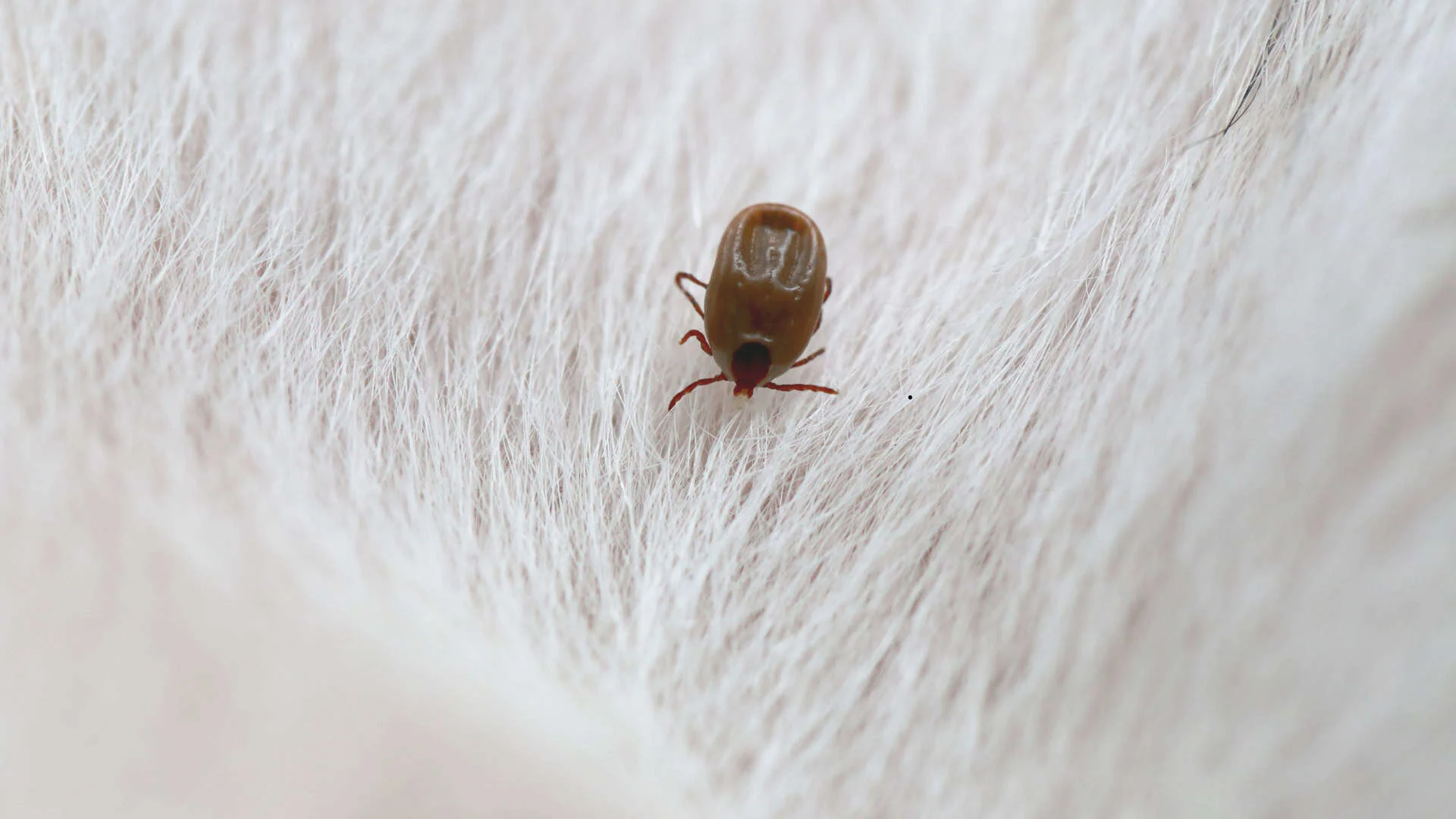
Mosquito Authority answers a common tick control service question, "How long can ticks live without hosts?" The answer is it depends on several factors.
Key Takeaways
- Tick survival without a host varies by life stage: larvae last days to weeks, nymphs survive weeks to months, and adults can live for over a year.
- Environmental factors like temperature and humidity play a major role in how long ticks endure without feeding.
- Ticks are dangerous disease vectors, transmitting illnesses such as Lyme disease, Rocky Mountain spotted fever, and Ehrlichiosis.
- Professional tick control methods include barrier treatments, tick tubes, and habitat modification for long-term results.
- Simple prevention steps like yard maintenance, repellents, and regular tick checks help reduce exposure and infestations.
Imagine enjoying a beautiful summer day in your backyard only to find a tiny, unwelcome hitchhiker on your leg later that evening — a tick. At Mosquito Authority, we know these small pests can cause big problems, making our tick control services imperative to restoring your peace of mind.
One question customers often ask us is, “How long can ticks live without a host?” We were curious about it and figured you would be too!
We’ve taken the time to research and develop services that are rooted in science and break the tick’s life cycle. Understanding tick survival without a host is crucial for our teams to effectively control and prevent tick infestations. Knowing how long ticks can endure without feeding can help you take the necessary steps to protect your family and pets.
With years of experience in pest control, Mosquito Authority is a trusted leader in tick management. Our team of experts uses proven methods to keep your property tick-free.
Understanding Tick Biology
Ticks are small arachnids that go through four life stages: egg, larva, nymph, and adult. They’re disturbingly found in a number of habitats, including forests, grasslands, and even urban areas.
Ticks find hosts through a process called questing, where they climb onto vegetation and wait for a potential host to brush past. Once on a host, they attach and use their feeding mechanism to consume blood, which is necessary for their development and reproduction.
Surviving without a host depends on several factors for ticks. These can include the tick’s life stage, species, and environmental conditions. Larvae, nymphs, and adults all have different survival strategies and timeframes.
Tick Survival By Stage
Like mosquitoes, which can suspend development during diapause, ticks can endure extended periods without a host by reducing their metabolic rate. This adaptability makes them particularly challenging to control.
Temperature, humidity, and the specific tick species are all factors that play significant roles in determining how long a tick can live without feeding. For example, ticks in cooler, more humid environments generally survive longer without a host than those in hot, dry conditions.
The specific timeframes by life stage are:
- Larvae: These young ticks can survive a few days to several weeks without a host.
- Nymphs: Nymphs can live for weeks to several months without feeding, depending on environmental conditions.
- Adults: Adult ticks are the most resilient, surviving months to over a year without a host, particularly in favorable conditions.
The Risks of Tick Infestation
Ticks are notorious for transmitting diseases such as Lyme, Rocky Mountain spotted fever, and Ehrlichiosis. These illnesses can cause serious health issues in humans and pets.
Tick infestations can make outdoor areas unsafe, limiting the enjoyment of gardens, parks, and recreational areas. They can also affect wildlife populations.
Common signs of infestation include:
- Seeing ticks on pets.
- Spotting them on your clothing after spending time outdoors.
- Finding them in your yard.
Pay attention to high grass, wooded areas, and leaf piles where ticks thrive.
Our Tick Control Process
At Mosquito Authority, we use a four-step process to create a protective barrier for your property. Our services are designed around the three-week life cycle of ticks, covering all aspects of their life cycle through effective treatments. We customize each customer’s treatment plan, taking into account their property and preferences to create a dynamic tick control system.
Our licensed technicians use a comprehensive, multi-step approach to effectively control ticks:
- Inspection and Assessment: Our experts conduct thorough inspections to identify tick hotspots and assess the severity of the infestation.
- Treatment Plans: We develop customized treatment plans tailored to your needs using environmentally friendly products.
- Preventative Measures: We implement strategies to prevent future tick infestations, including habitat modification and regular treatments.
- Expert Team: Our team comprises highly trained professionals with extensive knowledge in tick control. We stay updated with the latest research and techniques to provide the best service possible.
Tick Control Services from Mosquito Authority
Mosquito Authority has over 20 years of experience dealing with ticks, and we understand how to effectively control them on your property. We’ll consider specific factors related to your situation, such as your location and the season, to improve the chances of eliminating ticks on the spot and keeping them away for an extended period.
Tick Barrier Control Services
We approach tick treatment and control differently. One of our most effective treatments is tick barrier control services. By treating the perimeter of your property, we create a tick-free zone that’s not conducive to these pests.
Tick Tubes
If you’re dealing with an infestation, our tick tubes target these pests by utilizing the relationship between ticks and mice. The tick-carrying mice are attracted to the tick control tubes that are essentially filled with treated cotton that the mice use to line their nests. The ticks that feed on these mice are immediately wiped out once they come in contact with the treated cotton. Biodegradable tick tubes are easy to install and have minimal impact on the environment.
DIY Tick Control Tips
You can take many steps to make your yard less attractive to ticks. To start, stay on top of yard maintenance by keeping the grass cut short, removing leaf litter, and creating a barrier of wood chips or gravel between your lawn and wooded areas.
When spending time outdoors, wearing long sleeves and pants and applying tick repellent to reduce exposure risk is important, and to further ensure your safety and that of your family and pets, follow up by checking for ticks after outdoor activities.
Staying proactive is key to effective tick management. You can schedule regular tick control treatments and inspections with Mosquito Authority to keep your property tick-free.
Related Posts
- Can Ticks Be Drowned? Exploring Alternative Tick Control
- Keep Your Farm Tick-Free with Effective Tick Control
- Differences Between Spider Bites and Mosquito Bites
Protect Your Health and Home
Understanding how long ticks can survive without a host and the importance of effective tick control can help protect your health and your home. Proactive tick management is essential for ensuring the safety and enjoyment of your outdoor spaces. Ticks are resilient pests, but with the right knowledge and professional services from Mosquito Authority, you can keep them at bay.