

Key Takeaways
- Mosquito bites usually appear quickly as small, raised, itchy bumps, often red and mildly swollen.
- Spider bites are less common and may develop more slowly, sometimes showing redness, pain, swelling, or visible fang marks.
- More severe spider bites can cause additional symptoms such as muscle pain, blistering, fever, or spreading irritation.
- Cleaning the bite area, applying appropriate first aid, and monitoring symptoms help prevent infection and complications.
- If bites are frequent or pests are present around your home, professional mosquito and pest control can help prevent future issues.
One of the joys of owning a home is enjoying an outdoor space that’s completely yours: the possibilities are as limitless as your imagination. However, when pests like spiders and mosquitoes invade your personal oasis, your Shangri-La suddenly becomes a fool’s paradise, leaving you with itchy bites. Let the experts at Mosquito Authority determine the correct spider or mosquito treatment plan for you. Recognizing the source of your bites can help determine the best course of action, so don’t be left scratching your head about which insect bit you – let our experts help you differentiate.
If you’ve ever woken up with an itchy bump and wondered whether the culprit was a mosquito or something more sinister like a spider, there’s never been a better time to find out how to, at last, tell them apart. Knowing the difference between the two insects and their bites can help you effectively respond to handling the symptoms and determine the plan of action.
At Mosquito Authority, we’re dedicated to providing our customers with the best possible service. We’re happy to provide practical advice alongside our professional solutions to ensure your home is mosquito-free. Read on to learn more about differentiating spider and mosquito bites, including the distinguishing characteristics, potential health implications, and best treatment approaches.
The Culprits
Mosquito Authority’s comprehensive process begins with properly identifying the insect species that are pestering you. Correctly doing so requires a knowledge base that combines a thorough understanding of common culprits and local area expertise. There are a variety of different species within these insect families, and the correct information is essential to effectively eradicate the pest at large.
mosquitoes are, unfortunately, very familiar to most people and easy to recognize with their slender body, long legs, and sharp, specialized mouthpart for piercing skin and sucking blood. Commonly found in warm, humid environments like wetlands, forests, and other areas with stagnant water, mosquitoes can call pretty much any place with water home, turning as little as ½-inch of water into a breeding habitat.
Mosquitoes emit an awful high-pitched buzzing sound and are most active during dawn and dusk. Unlike spider bites, mosquito bites can transmit serious diseases, including malaria, dengue fever, and the Zika virus.
While most mosquito species have fairly similar habitats and life cycles, common spider species, such as the harmless house spider, the venomous black widow, and the brown recluse, each exhibit unique features and behaviors. Spiders generally inhabit dark, secluded areas, including basements, attics, and outdoor vegetation, where they spin webs to catch prey.
The distinction between venomous and non-venomous spiders is crucial. Venomous spiders, like the black widow and brown recluse, can inflict bites that may require medical attention due to their potent venom. On the other hand, bites from non-venomous spiders usually result in minor, localized symptoms. Understanding these differences is essential for accurately identifying and treating spider bites.
How to Identify Mosquito Bites
Chances are that a mosquito or a spider has bitten you at some point in your life, and more than likely, both.
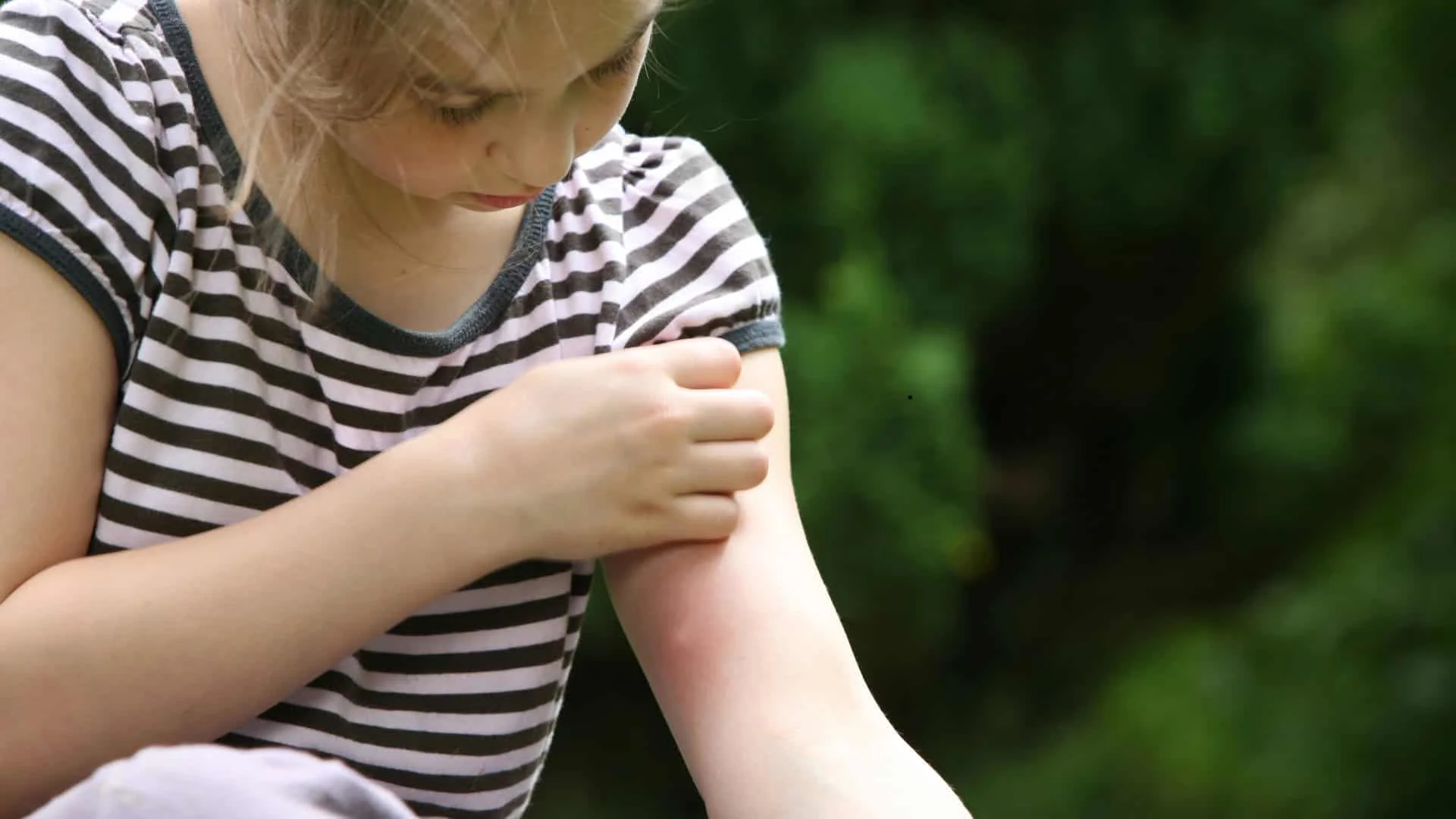
Mosquito bites initially present as small, single, raised bumps. The body’s reaction to mosquito saliva triggers an immediate, itchy response and other common symptoms like redness and mild swelling. Severe allergies or otherwise heightened sensitivity can result in significantly larger welts or, at times, possibly hives.
What mosquito bites typically look and feel like:
• A single or a few puffy, pale or reddish bumps
• Noticeable itching that can start within minutes
• Mild redness surrounding the bump
• Slight swelling that may grow over several hours
• Skin that feels a bit warm in the area
How to Identify Spider Bites
While less common, spider bites vary by species, and symptoms caused by their venom present differently depending on the individual’s immune response. Often taking time to develop, common symptoms of spider bites include redness, swelling, pain, or burning at the site of a target-shaped lesion or fang marks.
Black widow spider bites can cause additional, escalated symptoms such as muscle cramps, abdominal pain, and difficulty breathing. Brown recluse spider bites can lead to fever, chills, and possible skin necrosis.
Common signs of a spider bite:
• Redness and swelling at the bite site
• Pain or a burning sensation rather than just itching
• Two small puncture marks from fangs, though not always visible
• A blister or a target shaped area in some cases
• Skin that becomes tender or increasingly sore
Treatment and First Aid
Regardless of which insect you think bit you, cleaning the affected bite area with soap and water is critical to prevent infection.
Mosquito bites require basic first aid, which involves applying an anti-itch cream, such as hydrocortisone or calamine lotion, to help alleviate itching and discomfort. It’s important to avoid scratching the bites to reduce the risk of infection.
Medical attention should be sought if there are signs of infection, such as increased redness, warmth, swelling, or pus, or if there is an allergic reaction characterized by hives, difficulty breathing, or swelling of the face and throat. These symptoms require prompt medical evaluation for appropriate treatment and to prevent complications.
Basic first aid for spider bites includes applying an ice pack to reduce swelling and pain and monitoring the symptoms closely. If the bite appears on a limb, it’s important to keep the limb elevated. Most spider bites are harmless and can be managed at home, but medical attention should be sought if the bite is from a potentially dangerous spider, such as a black widow or brown recluse.
Signs necessitating medical care include severe pain, muscle cramps, spreading redness or blistering, fever, chills, or the bite wound worsening over time. Early intervention can prevent serious complications and ensure proper treatment.
Prevention Tips
At Mosquito Authority, known for our mosquito andpest control services, we’re happy to provide our customers with the best personal prevention tips to help protect you in your outdoor spaces.
To prevent mosquito bites, you’ll want to:
- Use repellent. mosquitoes are attracted to scent and dislike many plant smells.
- Take environmental control measures. Removing standing water from your property, installing mesh screens on windows and doors, and using fans to prevent mosquitoes from landing can help deter their activity.
- Wear protective clothing. Long-sleeved shirts and pants, as well as mesh hats, provide protection as a physical barrier against bites.
Here are some spider bite prevention tips:
- Keep your house clean. Make your home less inviting by paying close attention to where arachnids like to set up shop, like basements, attics, and garages.
- Use essential oils. Introduce scents spiders prefer to avoid, like peppermint, tea tree, and eucalyptus.
- Remove habitat essentials. Trim shrubs and trees away from your house, use yellow bulbs to reduce insects by outdoor lighting, and seal cracks and gaps to prevent entry.
Related Posts
- Which Scents Do Mosquitoes Hate the Most?
- How Long Can a Tick Live Without a Host?
- Can Ticks Be Drowned? Exploring Alternative Tick Control
Mastering Mosquito vs. Spider Bites
Understanding the differences between mosquito and spider bites is crucial for effective management and treatment. By accurately identifying the type of insect and bite, and with timely treatments from Mosquito Authority, you can quickly restore comfort and peace of mind in your home.
If you’re ready to enjoy your personal oasis bite-free and fully appreciate the joys of home ownership, schedule a mosquito yard treatment with Mosquito Authority today.
Are you tired of dealing with itchy mosquito bites or worried about potentially dangerous spider bites in and around your home? Take the first step toward a bite-free home — contact Mosquito Authority today to schedule a consultation and learn how we can help you reclaim your property from these pesky invaders.